Showing posts with label health. Show all posts

Thursday, June 14, 2007

Oxyfresh: Found!

Last Friday, June 8, 2007, Robin and I went on a little trip to Tagaytay. We had lunch at Breakfast at Antonio's and on our way home, we noticed some signs of dog supplies manufacturers outside Tagaytay Vista Hotel. Curious, we stopped by to have a look-see. As it turns out, the Veterinary Practitioners Association of the Philippines (VPAP) is holding its 35th Annual Scientific Conference. Outside the venue, there were a lot of stalls showcasing veterinary products.

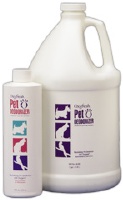
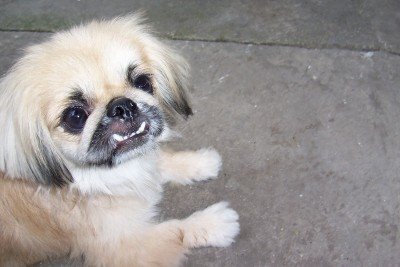
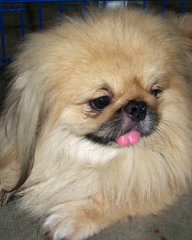
We spied on an Oxyfresh banner outside so we were quite hopeful to find them in one of the stalls. We have been looking for Oxyfresh for over a year now after their office in Mandaluyong closed down. That is why I was very happy when I found out that they did have a stall there. I was able to talk to Liza, Oxyfresh's Direct Marketing Coordinator and I told her how glad we were to find them. Their pet deodorizer worked really well on our Pekingese dogs which are quite infamous for bad breath (tee hee..).

We got two 16 oz bottles of the pet deodorizer when they didn't have a 1 gal. bottle. Afterall, we had many dogs. At least now though, we know where to find them when we run out again:
MAKATI OFFICE
Suite 910 Medical Plaza, Amorsolo cor. Dela Rosa, Legazpi Village, Makati City
QUEZON CITY OFFICE
Suite 811 Future Point Plaza, 112 Panay Avenue, Quezon City

Monday, April 16, 2007

Dog Biscuit Recipe

I was searching for new dog biscuit recipes and I came across twodogpress.com. I found lots of dog biscuit recipes there and this is one of them:

2 teaspoons dry yeast
1/2 cup lukewarm water
2 tablespoons dry parsley
1 1/2 cups chicken broth
3 tablespoons honey
1 egg
5-6 cups whole wheat flour


Directions:

Preheat oven to 350 ° F (180 ° C).

In a large bowl, dissolve yeast in warm water. Stir in the parsley, broth, honey, and egg. Gradually blend in flour, adding enough to form a stiff dough.

Transfer to a floured surface and knead until smooth (about 3-5 minutes). Shape the dough into a ball, and roll to 1/4-inch (6 mm) thick. Using small bone-shaped cookie cutters, make biscuits! Transfer to ungreased baking sheets, spacing them about 1/4 inch (6 mm) apart. Gather up the scraps, roll out again, and cut additional biscuits.

Bake for 30 minutes. Remove from oven and turn over. Bake for an additional 15 minutes, or until lightly browned on both sides. Let cool overnight. (After we finish baking all batches of biscuits, we turn off the oven, then spread all the biscuits out on one baking sheet and set them in the oven to cool overnight. The extra time in the oven as it cools off helps make the treats crispier and crunchier.)

Makes several dozen small bones that keep and freeze well. We like these biscuits because they're quick and easy and we always have the ingredients on hand to make them. Our boys like them because they're good!

Baker's Note We make our own chicken broth by boiling 1 pound of chicken in 8 cups of water, seasoned with 1 teaspoon thyme, 3 teaspoons parsley, 1 teaspoon celery seed, and one bay leaf, for 1 1/2 hours. Remove the chicken and use it for salads or other recipes that call for cooked chicken. Let the broth cool before using it in these recipes.


Saturday, March 17, 2007

Ehrlichiosis

(I got this info from vetinfo.com. This may save your beloved dog's life.)

Ehrlichiosis is caused by the rickettsial organism Ehrlichia canis. Other examples of rickettsial organisms are Riskettsia rickettsi, which causes Rocky Mountain Spotted Fever and Ehrlichia risticii, which causes Potomac Fever in horses. These orgainisms tend to be carried by ticks and other insect vectors, in some cases. For ehrlichiosis, the most common vector is the brown dog tick. For this reason, ehrlichiosis occurs anywhere this tick occurs. At present, it has been reported in 34 states, with the northern states being spared in most instances. The southeastern and south central states are the most heavily affected. A few cases of Ehrlichia canis infection have been reported in people after tick bites.

Ehrlichia infection can cause a number of clinical signs. It can be extremely hard to diagnose due to the wide range of symptoms that can occur. Most dogs infected with this organism will have be lethargic, lose weight, show less interest in food and become anemic. Other possible clinical signs include hemorrhages under the skin or in around the gums, swollen lymph nodes, muscular or joint soreness, nasal discharges or nosebleeds, severe neck or back pain, blood in the urine and eye problems ranging from exudates to severe inflammation of the internal eye structures. Neurologic signs such as seizures and difficulty walking can occur. Respiratory or heart related signs can occur due to hemorrhaging and compensation for anemia if it becomes severe. Hemorrhaging occurs primarly due to decrease in platelet counts from the infection. While most dogs show a number of symptoms when first infected with Ehrlichia, there is also a chronic infection that can occur if the acute infection is not treated. In this case, the dog may appear to be normal or may show vague signs of illness occasionally. This is one cause of the complaint that "my dog just isn't doing right". The chronic illness can suddenly become very severe again if the dog is stressed in some manner or become less immune competent for some reason.

The best method of diagnosing this disease is through testing of serum from the dog using an immunofluorescent antibody (IFA) test. Unfortunately, a positive test only indicates exposure. Still, in the presence of clinical signs or if the titer rises after treatment or stays consistently high, infection is strongly implied by the lab results.

Ehrlichia canis is normally susceptible to treatment with tetracycline antibiotics, including doxycycline. In some situations the organism will not respond to these antibiotics or their use is contraindicated due to the young age of a dog or pregnancy. In this case, chloramphenicol can be used and there is anecdotal evidence of success using cephalosporin antibiotics. The bleeding tendencies in this disease are related to a drop in platelets (thrombocytopenia) so it can be necessary to use corticosteroids to treat this condition if the platelet counts are low. While this can be life saving, the use of corticosteroids should be discontinued as quickly as possible so that their immunosuppressive effect does not interfere with successful treatment. Extensive supportive care, including intravenous fluids, administration of blood products and hospitalization may be necessary to treat this problem in some dogs. The survival rate is good if the disease is recognized and treated aggressively.

Friday, March 02, 2007

Leptospirosis

Does your dog have leptospirosis? This article might be helpful:

Symptoms

In acute infections, a fever of 103-104°, shivering, and muscle tenderness are the first signs.

In acute infections a fever of 103-104°, shivering, and muscle tenderness are the first signs. Then vomiting and rapid dehydration may develop. Severely infected dogs may develop hypothermia and become depressed and die before kidney or liver failure has a chance to develop.

In subacute infections, the animal usually develops a fever, anorexia, vomiting, dehydration, and increased thirst. The dog may be reluctant to move due to muscle or kidney pain. Animals with liver involvement may develop icterus. Dogs that develop kidney or liver involvement may begin to show improvement in organ function after 2 to 3 weeks or they may develop chronic renal failure. Despite the possibility of severe infection and death, the majority of leptospiral infections in dogs are chronic or subclinical. Dogs that become chronically infected may show no outward signs, but may intermittently shed bacteria in the urine for months or years.

Diagnosis

A positive diagnosis can be made through a blood test. A blood sample of the suspected animal is drawn and sent into the laboratory where a microscopic agglutination test is performed. This can test for individual serovars (strains) and the level of antibody (titer) against these strains. Depending on the level of the titer, a positive diagnosis to the specific serovar can be made. Titers may be negative in the first 10 days after initial infection, so many times additional samples must be drawn and tested to get a positive diagnosis. Previous vaccination can give an elevated titer and this must be taken into consideration when interpreting the titers.

Acutely infected or chronically infected dogs will most likely be shedding Leptospira organisms in their urine. It is possible to culture a urine sample and get a positive diagnosis. However, because of intermittent shedding and bacterial contamination this is not always the best way to diagnose the disease.

Treatment

Treatment consists of antibiotics, fluid replacement, and controlling the vomiting and the problems associated with the corresponding kidney or liver infections. Penicillin, or one of its derivatives is the antibiotic of choice for treating the initial infection. After the initial infection is controlled, doxycycline is often used to cure and prevent a potential long-term carrier state. Intravenous or subcutaneous fluids are often given to correct dehydration while the corresponding liver or kidney problems are treated.


Read the rest of the article HERE.

Sunday, February 25, 2007

Kennel Cough

(INFECTIOUS TRACHEOBRONCHITIS)

Drawing of a dog coughingWHAT IS IT?

Kennel cough is a bronchitis characterized by a harsh, hacking cough which most people describe as sounding like “something stuck in my dog’s throat.” It is analogous to a chest cold for humans and is only a serious condition in special circumstances (see below); in general, it resolves on its own..

HOW INFECTION OCCURS?

Drawing of cilia in the respiratory tractThe normal respiratory tract has substantial safeguards against invading infectious agents. The most important of these is probably what is called the “mucociliary escalator.” This safeguard consists of tiny hairlike structures called cilia, which protrude from the cells lining the respiratory tract, and a coat of mucus over them. The cilia beat in a coordinated fashion. Debris, including infectious agents, get trapped in the sticky mucus and the cilia move the mucus upward towards the throat where the collection of debris and mucus may be coughed up and/or swallowed.

The mucociliary escalator is damaged by the following:

  • shipping stress
  • crowding stress
  • heavy dust exposure
  • cigarette smoke exposure
  • infectious agents (viruses such as reovirus, adenovirus, parainfluenza virus, and even the distemper virus can be initiating infections)
  • Cold temperature
  • Poor ventilation

Without this protective mechanism, invading bacteria, especially Bordetella bronchiseptica may simply march down the airways unimpeded.

Bordetella bronchiseptica has some tricks of its own as well:

  • It is able to bind directly to cilia, rendering them unable to move within 3 hours of contact.
  • It secretes substances that disable the immune cells normally responsible for consuming & destroying bacteria

Because it is common for Bordetella to be accompanied by at least one other infections agent (such as one of the viruses listed above), “Kennel Cough” is actually a complex of infections, rather than infection by one agent.

Classically, dogs get infected when they are kept in a crowded situation with poor air circulation but lots of warm air (i.e. a boarding kennel, vaccination clinic, obedience class, local park, animal shelter, animal hospital waiting room, or grooming parlor). In reality, most causes of coughing that begin acutely in the dog are due to infectious causes and usually represent some form of Kennel Cough.

THE INCUBATION PERIOD IS 2 - 14 DAYS

HOW CONTAGIOUS IS IT?

Bordetella infection can be picked up by rabbits, guinea pigs, pigs, cats (if they are very young and housed in groups), and other dogs. It is not contagious to humans though it is closely related to Bordetella pertussis, the agent of Whooping Cough. Among dogs it is fairly contagious depending on stress level, vaccination status, and exposure to minor viruses.

Our hospital recommends keeping all dogs current on their Bordetella vaccinations as you never know when they be in an unexpected situation

HOW IS IT TREATED?

Although most cases will go away on their own, we like to think we can hasten recovery with antibiotics to directly kill the Bordetella organism. Alternatively, Kennel Cough may be treated with cough suppressants to provide comfort during natural recovery. Or antibiotics and cough suppressants can be combined.

WHEN IS IT A SERIOUS CONDITION?

In very young puppies, especially those with a recent shipping history (i.e. pet store puppies) are especially prone to severe cases of infectious tracheobronchitis (frequently progressing to pneumonia).

In dogs where the distemper virus is involved (usually shelter or pet store puppies), there is tremendous potential for serious consequences. (For more information on distemper, click here)

VACCINATION OPTIONS:

There are basically two options for Kennel cough vaccination: injectable and intranasal.

Injectable is a good choice for aggressive dogs, who may bite if their muzzle is approached. It provides good systemic immunity as long as two doses are given after age 4 months (with an annual booster). Injectable vaccination may only lead to less severe infection and not complete prevention.

Intranasal vaccination may be given as early as 2 weeks of age and immunity generally lasts 10-12 months. (Usually this vaccine is boosted annually.) The advantage here is that the local immunity is stimulated, right at the site where the natural infection would be trying to take hold.

It takes 4 days to generate a solid immune response after intranasal vaccination so it is best if vaccination is given at least 4 days prior to the exposure. Some dogs will have some sneezing or nasal discharge in the week following intranasal vaccination. As a general rule, nasal vaccination provides faster immunity than injectable vaccination.

Parainfluenza, Adenovirus type 2, and canine distemper, all members of the Kennel Cough complex, are all covered by the standard DHLPP vaccine, the basic vaccine for dogs. Adenovirus Type 2 serum also immunizes against Adenovirus Type 1, the agent of infectious canine hepatitis.

VACCINATION IS NOT USEFUL IN A DOG
ALREADY INCUBATING KENNEL COUGH

WHAT IF IT DOESN’T IMPROVE?

As previously noted, this infection is generally self-limiting. It should be at least improved partially after one week of treatment. If no improvement has been observed in this time, a re-check exam (possibly including radiographs of the chest) would be a good idea.

SOURCE: www.maristavet.com

Wednesday, May 17, 2006

Shih Tzu Care

A little Shih Tzu Grooming Info from dogbreedinfo.com--

Grooming
These little dogs require a good daily grooming using a bristle
brush. A topknot is usually tied with a bow so that the dog can see properly.
Some owners prefer to have them trimmed to make the coat easier and less time
consuming to care for. Keep the ear passages and area around the eyes clean.
Shih-Tzu's have sensitive eyes that should be keep clean. There is special drops
you can buy to put in them if needed. Ask your vet what to use on your dog. This
breed sheds little to no hair and are good for allergy suffers if their coats
are kept very well groomed. (Due the fact that they shed little skin dander.)


More info on the Chrysantemum Dog at http://www.dogbreedinfo.com/shihtzu.htm

Wednesday, May 10, 2006

Dogs and Pneumonia

Been researching on pneumonia in dogs ever since two of ours got diagnosed with it recently. I found this site where you can ask questions about dogs and other experienced dog owners can help you out with the answers--

Expert: Patti

Date: 7/11/2004

Subject: dogs-pneumonia

QuestionA friend recently got a puppy who came down with double pnumonia. She is currently being treated, but how long will it take before she is 100%? Now her other dog has begun to cough, will he recover quicker if it is treated sooner? how long should I keep my dogs away for?

Answer

Hi Meredith, The outcome of dogs with pneumonia is largely dependent on the cause of the pneumonia and the severity of the infection. It can take at least 2-3 days before the antibiotics to begin working. Tell your friend to follow the directions which the vet has given, and be sure to dispense all of the medication, and the puppy should have a total recovery. Antibiotics are usually given for at least three weeks, but that can go longer depending on the dog's clinical results. Regarding your second question, yes, a quick diagnosis will lead to a quick recovery, with less possibilities for complications. If the other dog is coughing, it should be taken to see the vet as soon as possible. It may have been exposed, and pneumonia is very contagious. Ask the vet how long to keep the dogs separated. Keep the puppy warm and dry and see that he gets plenty of water to drink while he's healing from pneumonia. If your friend has a moist air humidifier, place it near where the puppy spends a lot of time, as the moist air will help him breathe easier. (Make sure the humidifier is kept clean). Tell
your friend not to over-exercise the puppy; allow only what your puppy can tolerate. Do not allow the puppy to get short of breath during exercise/activity. Use a harness instead of a collar; this is less restricting to the neck, and will allow the puppy to breathe easier. The puppy should not be around people who smoke. I hope I've been a help.

Best of luck,

Patti


http://experts.about.com/q/Dogs-701/dogs-pneumonia.htm

Friday, April 21, 2006

Where is Oxyfresh?

One thing that really bugged me about the otherwise adorable pekingese is their propensity to develop bad breath. Until a little over a year ago, we discovered Oxyfresh pet deodorizer. We bought a gallon and it lasted a year with 8 pekingese. Apprehensive at first, thinking that the clear, odorless liquid was simply water, we regularly squirted the product into their waterbottles. But sure enough after a couple of weeks, the bad breath was gone. Needless to say, it worked wonders. However, when my sister and I went to the Oxyfresh office last Wednesday to buy another gallon after we ran out of it, we found out that they have closed. We asked the new tenant of the store where they moved but they said they really just closed completely. CLOSED? But why? And more importantly, where will get our Oxyfresh products? There are some stores that have their products on stock, but now we wonder, will those stocks be replenished? HELP!

Thursday, April 20, 2006

Free Rabies Vaccine for Everyone

Yehey! I just love freebies. Who doesn't? Anyway, we got the small dogs vaccinated last April 8 and 9 at the Pet One and Greenlegs event in Philamlife Village, Las Pinas. We had to make 2 trips because we have a lot of dogs, not including the big ones that won't fit the car. It was tiring but considering the vet bills you otherwise pay for, we really have nothing to complain about. They gave away Pet One samples to all registrants but the free dog grooming promo was given only to those who purchased Pet One dog food. It was a successful event-- many participated so dogwatching was quite interesting. So to Pet One and Greenlegs, a big THANK YOU!

Monday, April 03, 2006

The Long and Short of It

I'd been curious why some pekingese have long fluffy coats while some have short, flat coats. Got this bit of info from the Pekingese Club of America:

A pekingese normally has an outer layer of “guard hair” and a woolly “undercoat”. The guard hair stands away from the dog’s skin and protects it from heat or cold. The undercoat provides extra warmth. It is more seasonal in its growth and shedding cycle. A healthy pekingese will shed some undercoat and guard hair on a regular basis. Hair loss can be managed if the dog is groomed regularly: daily for show dogs and at least twice per week for companion dogs.
More noticeable losses of coat can occur due to climatic or hormonal changes, trauma or significant changes in diet. The fullness and length of a dog’s coat varies depending on the dog’s genetic makeup, its diet, and care. Show dogs usually carry more coat than a companion pet.

Monday, March 27, 2006

Beat the Summer Heat

Temperatures are rising fast and being in a tropical country, this is one matter to take seriously when it comes to our dogs' health. I found this helpful article online with tips on how to handle the summer heat:

Summer Tips for Dog Lovers

Summer is fun for humans and dogs alike but a few common sense suggestions may make yours a happier one. Some dog's are particularly sensitive to the heat regardless of breed or amount of fur, watch your dog closely to prevent heat stroke and make sure your companion lives to a ripe old age.

  1. Never leave your dog in a car in the summer even with the windows down or air conditioner running. Cars can stall or run out of gas.
  2. Never leave your dog tied outside unattended in summer. Leave him in the basement or in a crate with a fan or air conditioner.
  3. Don't walk or exercise your dog in the middle of the day. Go early in the morning or after the sun sets.
  4. Take your dog swimming instead of running.
  5. Buy a kiddie pool for your yard and put your dogs favorite toys in it. Teach your dog to play in the sprinkler or hose.
  6. Try not to take your dog from cool air conditioning to intense heat, the temperature change could make him collapse.
  7. Don't shave your dog down to the skin unless you have a breed you would do that with normally (like a cocker or a poodle). Less hair does not make the dog cooler. Nature has designed it so that dogs with a lot of fur (goldens, huskys, akitas) channel air to the skin to help cool them.
  8. Keep your dog's coat in good condition by brushing him regularly and removing trapped dead hair which will prevent air from reaching his skin to cool him.

If your dog does overheat:

  1. Get your dog to the vet fast !
  2. Cool him down slowly in lukewarm water not freezing cold water. An abrupt change in temperature could make his body go into shock.
  3. Put cotton soaked in rubbing alcohol between his toes.
  4. Take his temperature every few minutes to be sure it's going down. Normal for a dog is 101-102.5. A high temperature for a dog is considered 104 or higher.
  5. Wet a towel and wrap the dog in it.
  6. Take the dog to an air conditioned room or car or set up a fan.

The most important thing to remember if your dog overheats is to act fast. If a dog's temperature stays high for longer than a few minutes permanent brain damage can result. If you cool him down, do so slowly so as not to send him into shock. Even if the crisis passes don't take any chances get your dog to the vet immediately.


Source: http://www.canineuniversity.com/articles/health/health_10.html